
 Airport Taxis & Transfers in South Korea
 Complete guide to airport transfers across 4 airports in South Korea
South Korea combines ultra-modern infrastructure with airports that are consistently ranked among the world's best. Incheon International Airport has been voted the world's best airport service multiple times, and the transport connections to Seoul are excellent. Korean taxis are metered, safe and reliable. The main challenge for visitors is the language barrier - most Korean taxi drivers speak minimal English, making a pre-booked transfer with an English-speaking driver particularly valuable.

South Korea's main international gateway is Seoul Incheon (ICN), with Seoul Gimpo (GMP), Busan Gimhae (PUS) and Jeju (CJU) handling significant traffic. The AREX train connects Incheon to Seoul Station in 43 minutes. Airport limousine buses cover extensive Seoul routes. Korean domestic flights are being gradually replaced by the KTX high-speed rail, but Jeju flights remain essential.
Korean taxis come in three tiers: regular (silver/white), deluxe (black) and jumbo. Regular taxis are metered with a base fare of ₩4,800 ($3.60). Deluxe taxis cost about 50% more but offer larger vehicles and better English. Incheon to Seoul by regular taxi costs ₩65,000–80,000 ($50–60). The AREX express train is just ₩9,500 ($7). Kakao T is the main ride-hailing app and works well, but English support is limited.
Ride-hailing apps in South Korea: Kakao T, Uber. Coverage and airport pickup rules vary between cities.
Incheon airport to central Seoul costs $50–80 by taxi or $45–70 by pre-booked transfer. The AREX train is just $7 but drops you at Seoul Station. Gimpo to central Seoul costs $15–25. Busan airport to the city center runs $10–20. Jeju airport to Jeju city costs $8–12. Korea is more expensive than Southeast Asia but cheaper than Japan for taxi transfers.
Korean taxis are very safe and drivers are honest. The main issue is communication - have your hotel address written in Korean (Hangul) on your phone. Kakao Maps is more accurate than Google Maps in Korea. Some taxi drivers at Incheon will try to negotiate a flat fare instead of using the meter - this is usually more expensive. Insist on the meter or use a pre-booked transfer.
We cover 4 airports in South Korea. Click any airport below for detailed transfer information, prices and local tips.
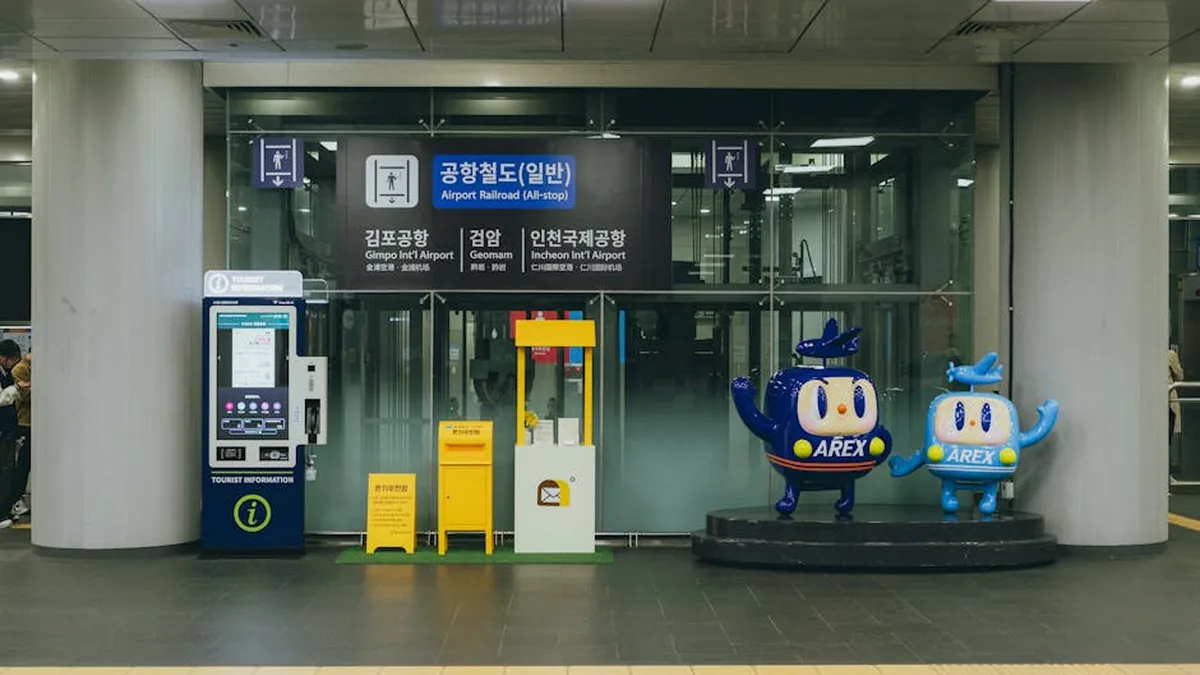
Incheon International (ICN) is consistently ranked among the world's best airports. It is built on reclaimed land 50 km…
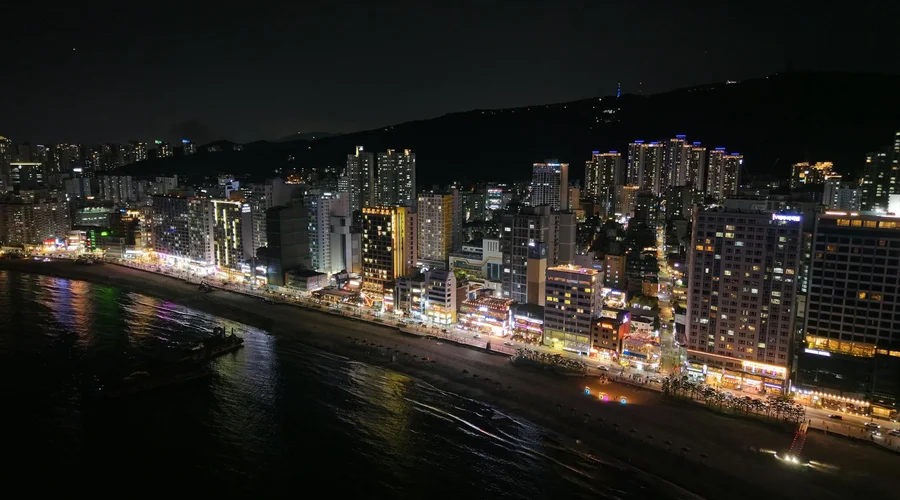
Gimhae International (PUS) is South Korea's second-busiest airport, serving the port city of Busan. It sits just 15 km …

Jeju International Airport is one of the world's busiest airports by passenger movements, serving South Korea's beloved…
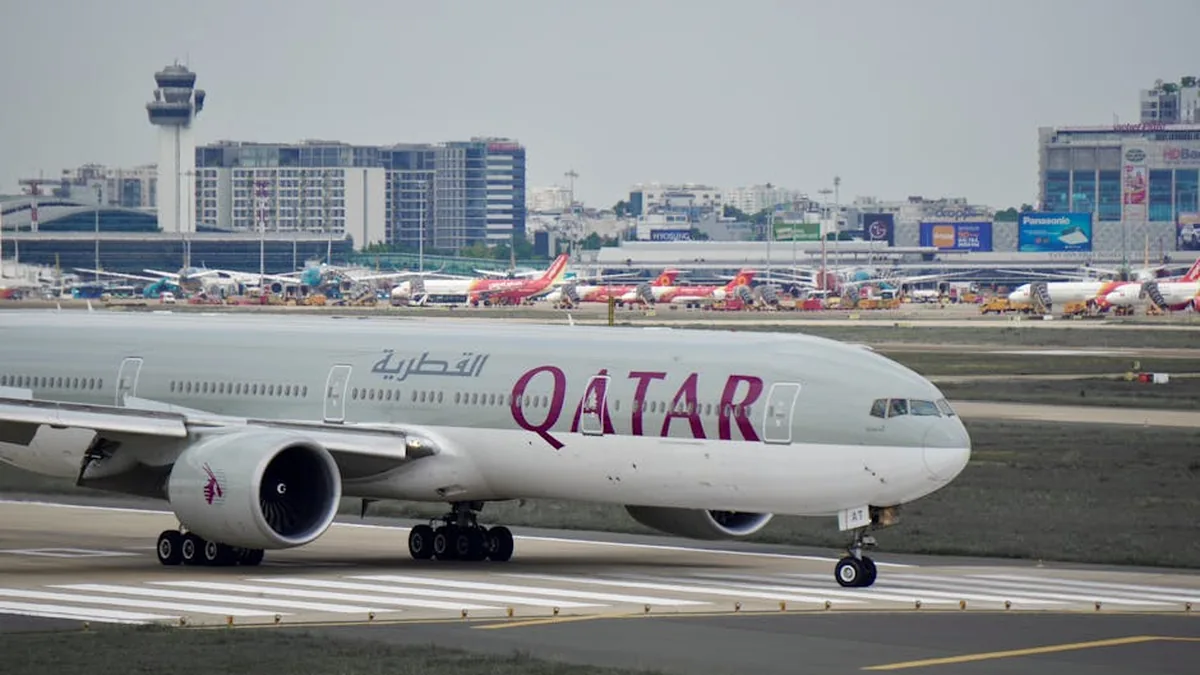
Gimpo International Airport is Seoul's conveniently located city airport, much closer to the center than Incheon and pr…
Detailed area-by-area transfer guides for major cities:
Airport taxi prices in South Korea typically range from $15–$80 depending on the airport, destination and vehicle type. Pre-booked transfers offer fixed prices with no surprises.
The main ride-hailing apps in South Korea are Kakao T, Uber. Availability varies between cities and airports.
Licensed and pre-booked taxis are generally safe throughout South Korea. The main risk at most airports is unlicensed drivers who overcharge tourists. Always use official taxi queues or pre-book your transfer.
Pre-booking is recommended at most airports in South Korea. It guarantees a fixed price, eliminates queuing and ensures a driver is waiting at arrivals with your name.
The local currency is South Korean Won (KRW). Most pre-booked transfer services accept credit cards. Metered taxis and ride-hailing apps accept local currency and sometimes cards.
Language skills vary. In major tourist areas, drivers often speak basic English. Korean (English limited, improving in Seoul). Pre-booked transfer drivers typically have better English skills than random taxi drivers.