
 Airport Taxis & Transfers in Japan
 Complete guide to airport transfers across 25 airports in Japan
Japan operates one of the world's most efficient transport networks, but airport transfers remain one of the few areas where the system can be confusing for visitors. With airports often located far from city centers - Narita is 60 km from Tokyo, Kansai is on an artificial island - the last leg of your journey requires planning. Japanese taxis are famously expensive but immaculately clean, safe and honest. For international visitors, a pre-booked private transfer often provides better value than a metered taxi, especially for groups.
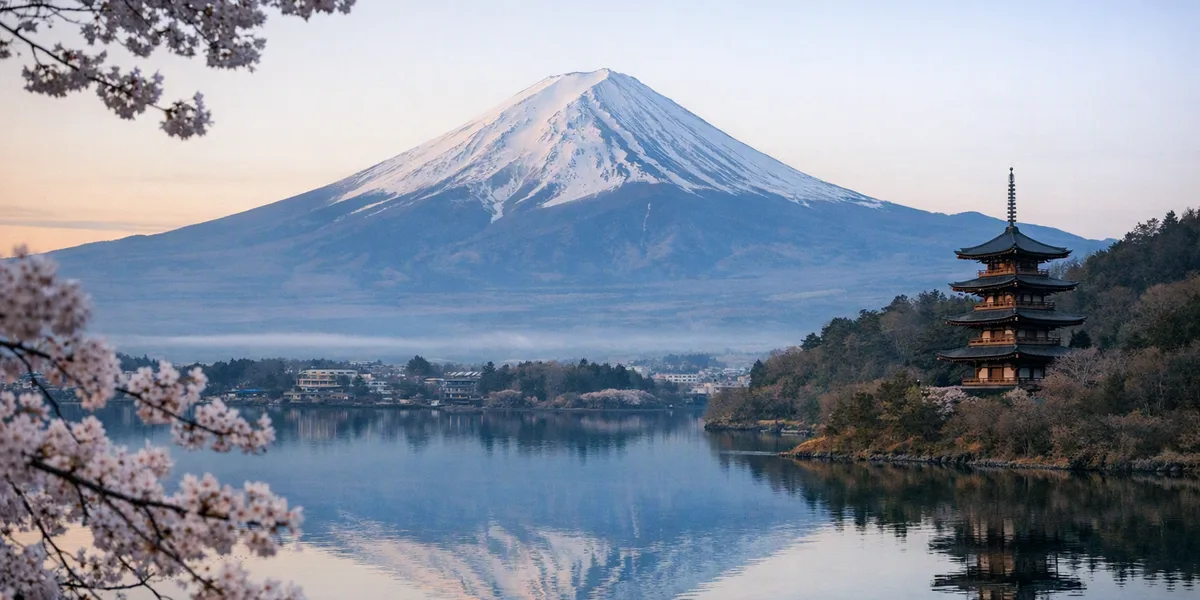
Japan has over 90 airports, from massive international hubs like Narita and Kansai to tiny island airstrips in Okinawa. The main international gateways are Tokyo Narita (NRT), Tokyo Haneda (HND), Osaka Kansai (KIX) and Nagoya Centrair (NGO). Most domestic airports are connected to city centers by airport express trains or limousine buses, which are efficient and reasonably priced. However, these options have fixed routes and schedules that don't always match your hotel location or arrival time.
Japanese taxis are metered, spotless and completely honest - drivers never take detours or overcharge. However, base fares start at ¥500–710 and the meter ticks up quickly, making even short rides expensive by Asian standards. A metered taxi from Narita to central Tokyo can cost ¥25,000–35,000 ($170–240). Airport limousine buses and trains are much cheaper for solo travelers. Pre-booked private transfers offer fixed prices that are usually 20–40% less than the meter for airport routes.
Ride-hailing apps in Japan: GO, S.RIDE, Uber (limited). Coverage and airport pickup rules vary between cities.
Japan is the most expensive country in Asia for taxis. A pre-booked transfer from Narita to central Tokyo costs $95–150 depending on vehicle (vs. $170–240 by meter). Haneda to central Tokyo runs $45–80. Kansai to Osaka is $55–90, or $80–120 to Kyoto. For groups of 3 or more, a private transfer is often cheaper per person than individual airport express train tickets. Regional airports are more affordable - Fukuoka airport to city center is just $25–35.
Japanese taxis are extremely safe and drivers are universally honest. The main risk is cost, not safety. Always check whether your airport has a flat-rate taxi option (Narita and Haneda both offer these). Taxi doors open and close automatically - don't force them. Tipping is not customary in Japan and may confuse or offend the driver. Have your hotel address written in Japanese, as many taxi drivers do not speak English.
We cover 25 airports in Japan. Click any airport below for detailed transfer information, prices and local tips.
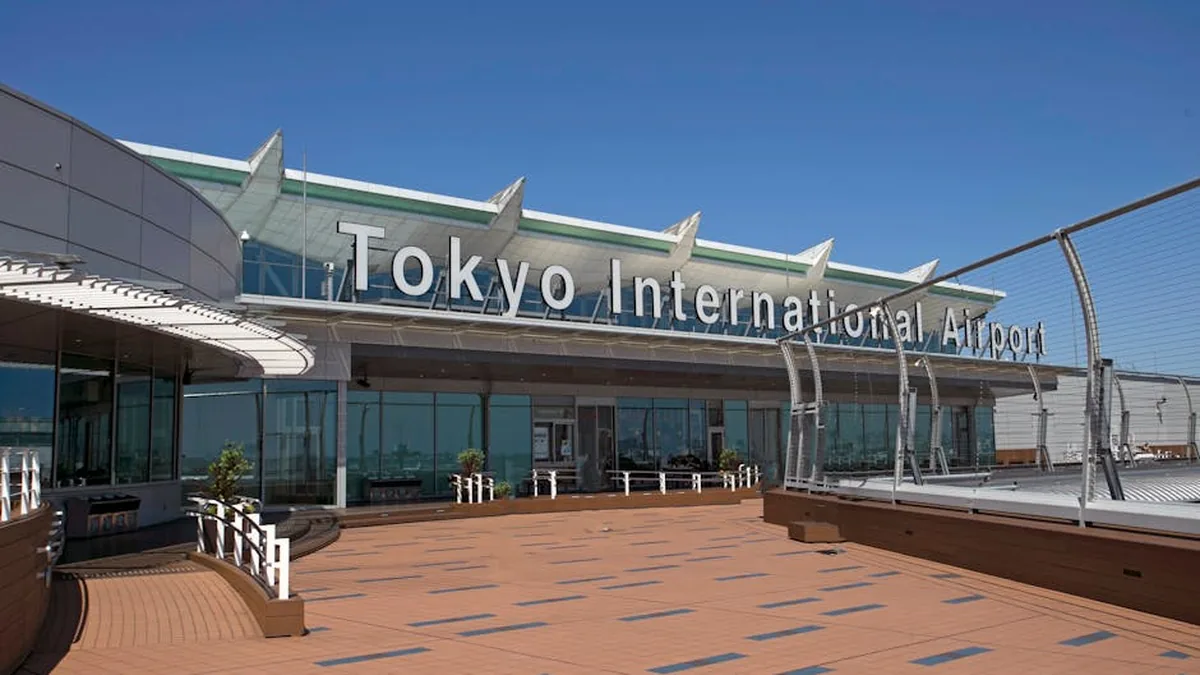
Narita Airport (NRT) is Tokyo's main international hub but lies 60 km from the city center. Taxis in Japan are extremel…
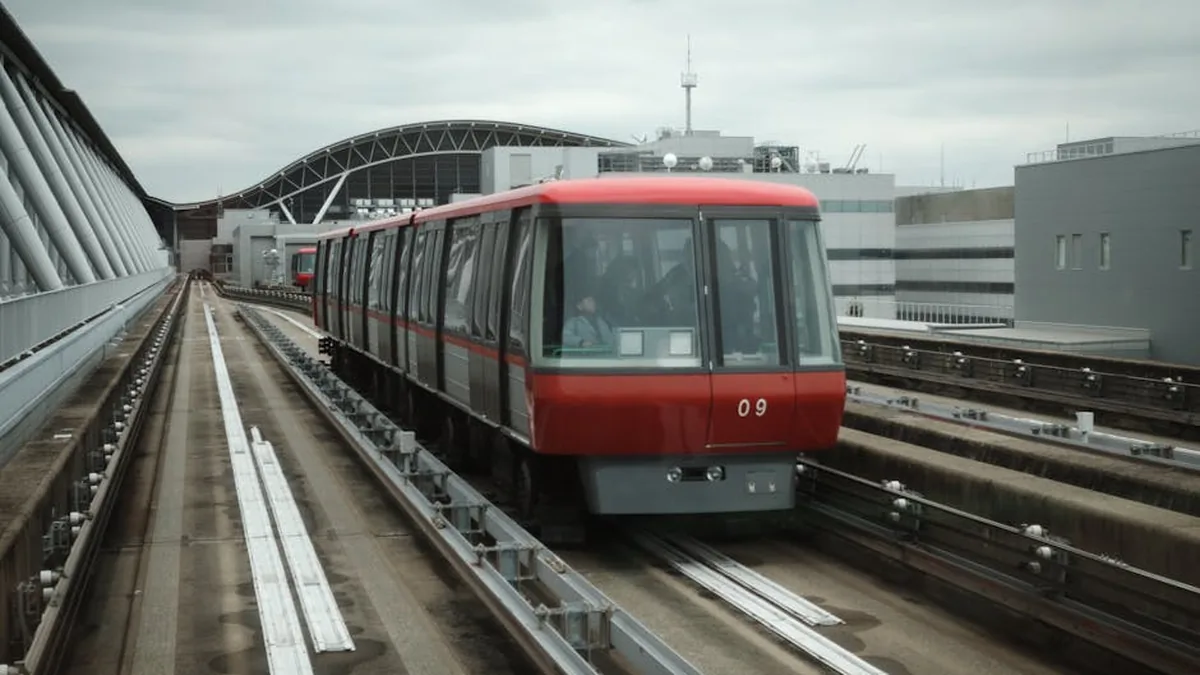
Kansai International Airport (KIX) is built on an artificial island in Osaka Bay and serves Osaka, Kyoto, Kobe and Nara…
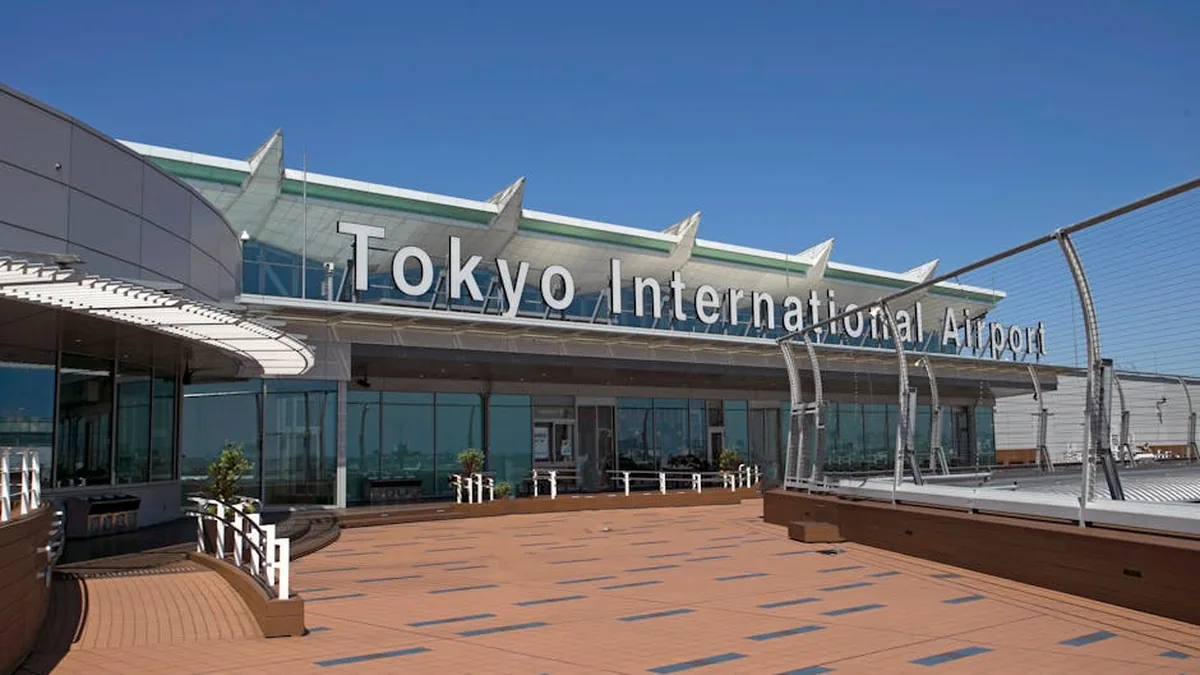
Tokyo Haneda (HND) is Japan's busiest airport and sits much closer to central Tokyo than Narita - just 20 km away. A ta…

New Chitose Airport is the main gateway to Hokkaido, Japan's northern island famous for its ski resorts, hot springs, f…
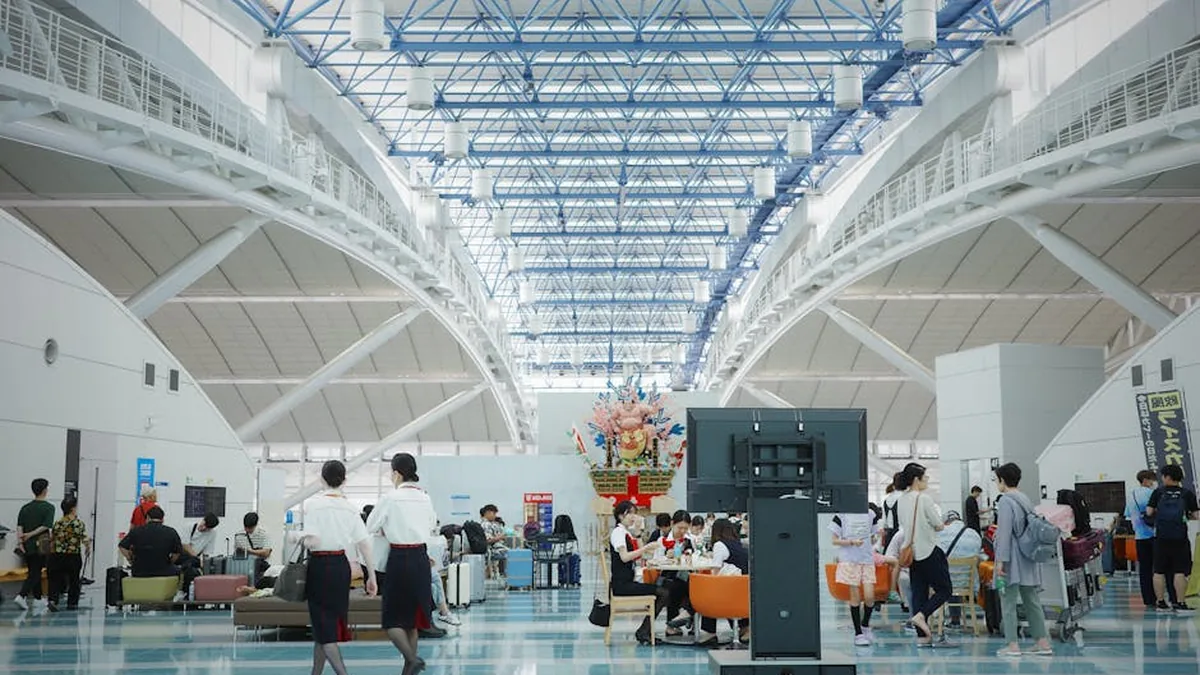
Fukuoka Airport is remarkably close to the city center - just 5 km from the Hakata and Tenjin districts, making it one …
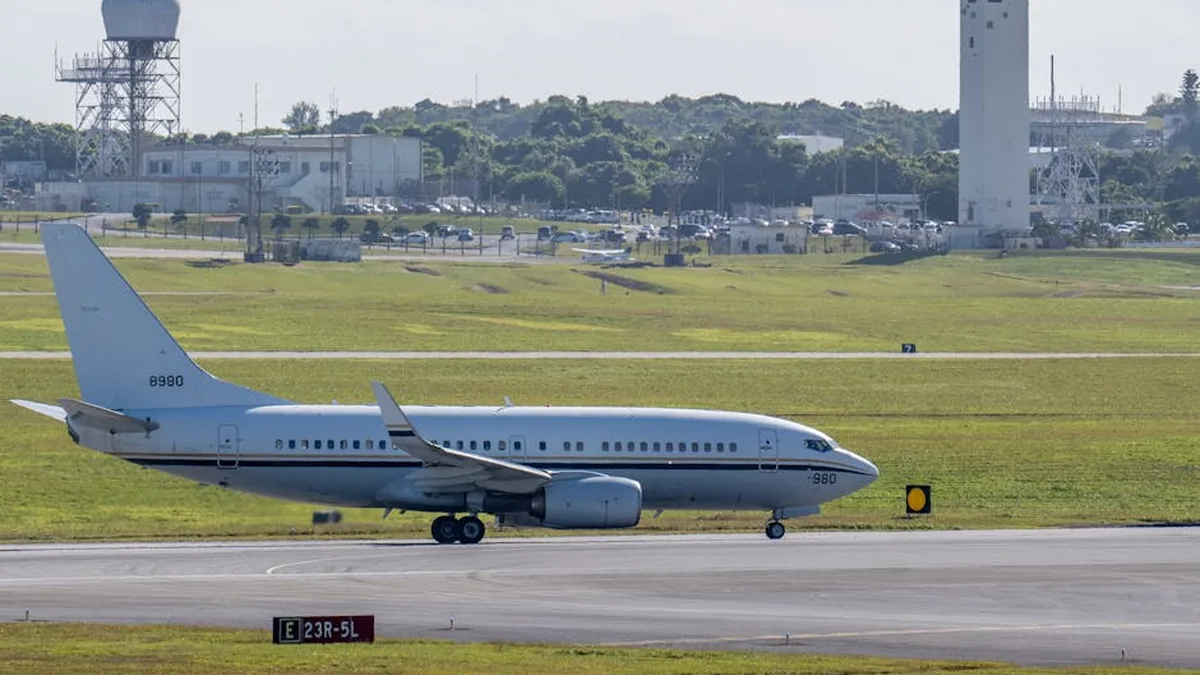
Naha Airport is the gateway to Okinawa, Japan's subtropical island paradise known for its turquoise beaches, unique Ryu…
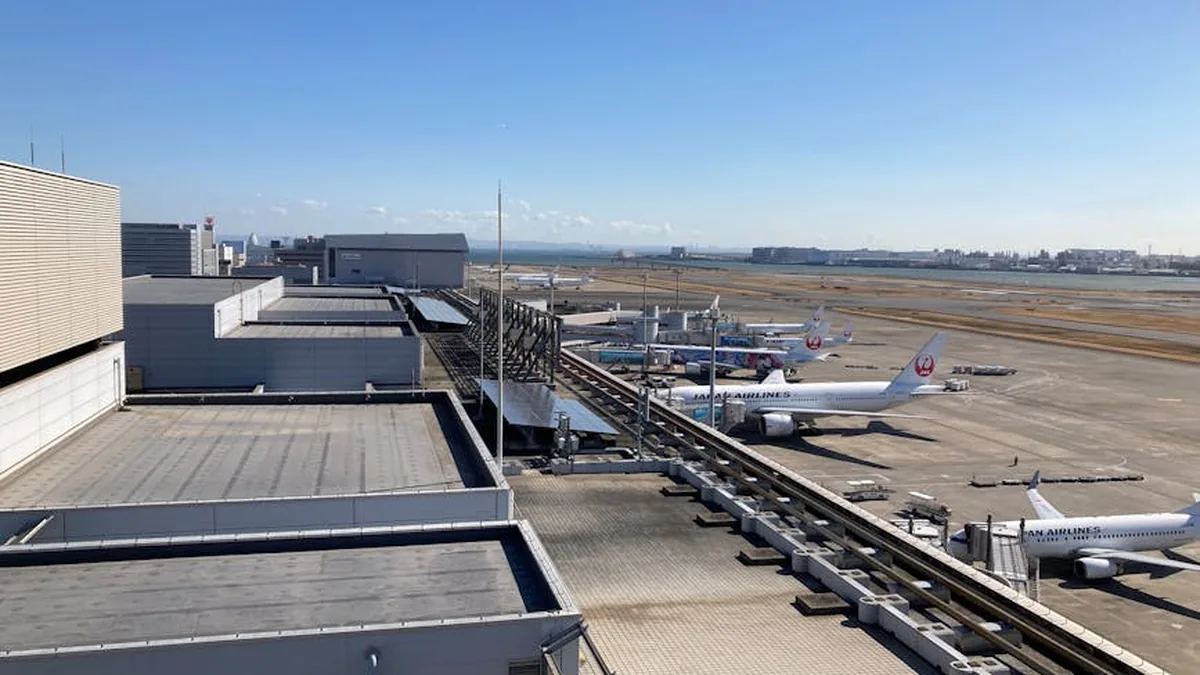
Chubu Centrair International Airport is built on an artificial island in Ise Bay, serving Nagoya and the wider Chubu re…
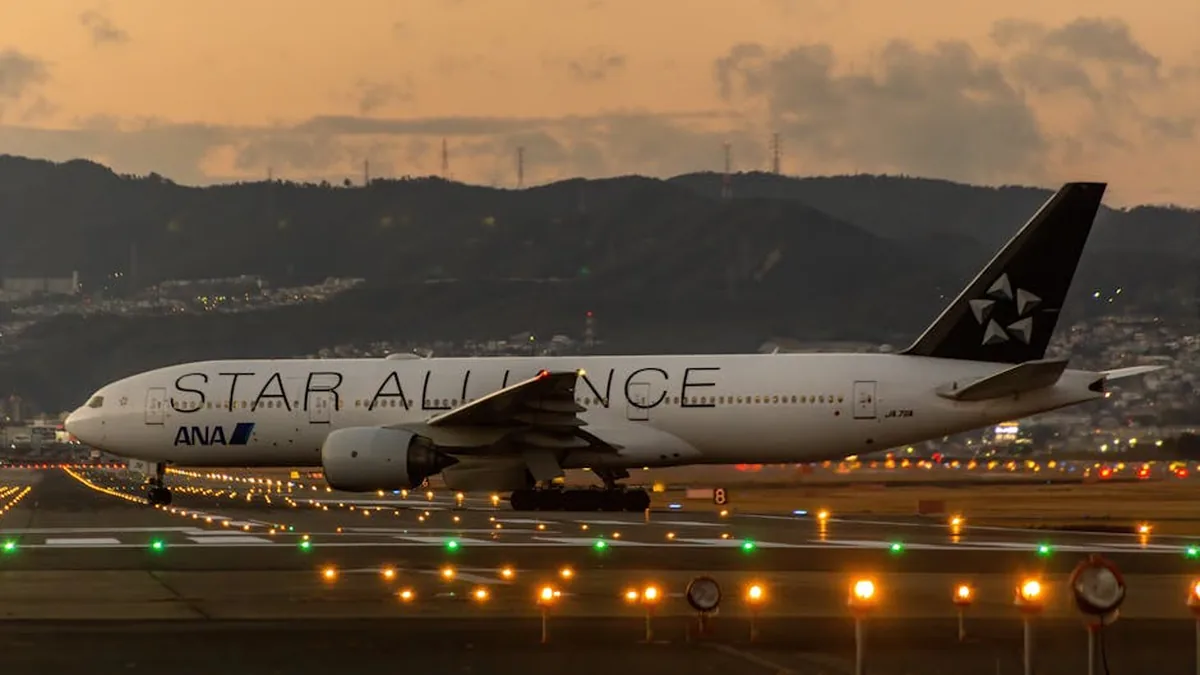
Osaka Itami Airport handles domestic flights only and is significantly closer to central Osaka and Kyoto than the inter…
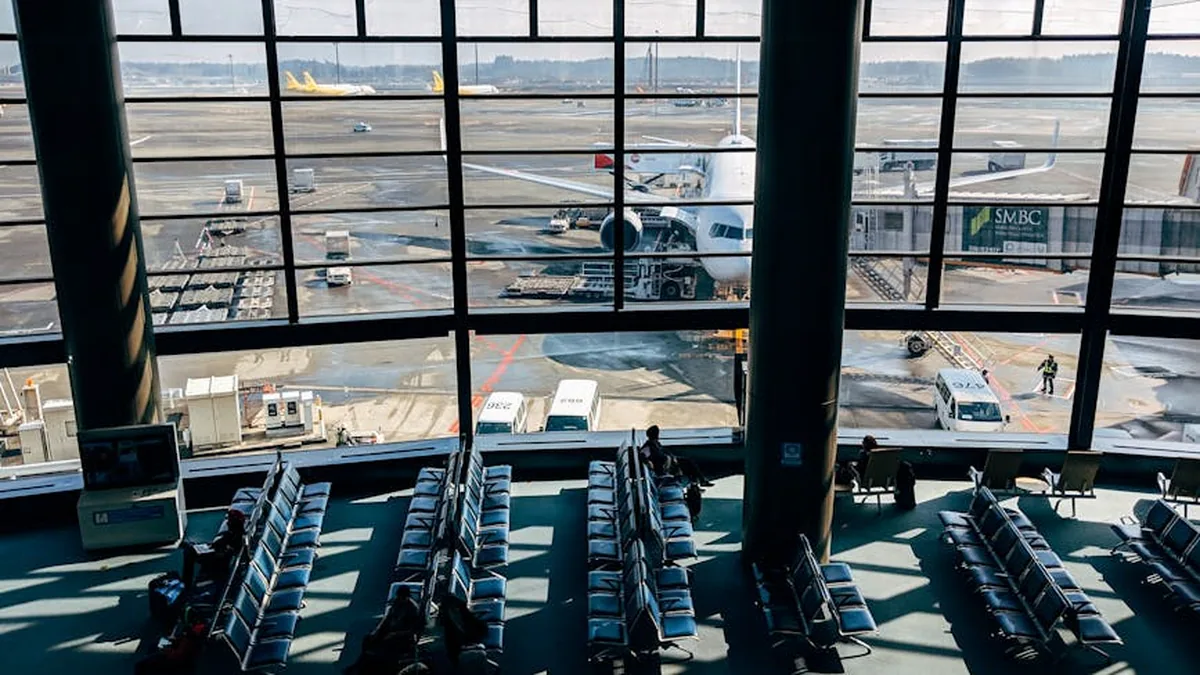
Hiroshima Airport is located in the mountains about 50 km east of Hiroshima city, a longer transfer than most Japanese …
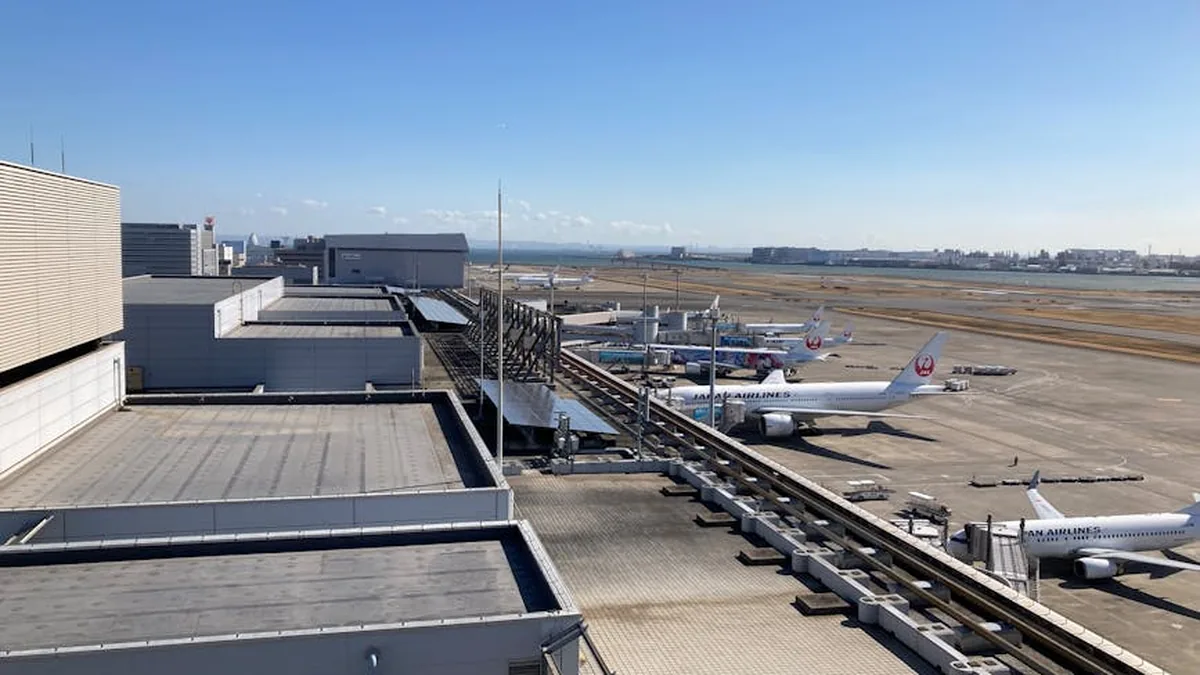
Sendai Airport is the main gateway to the Tohoku region of northern Honshu, serving a city known for its tree-lined ave…
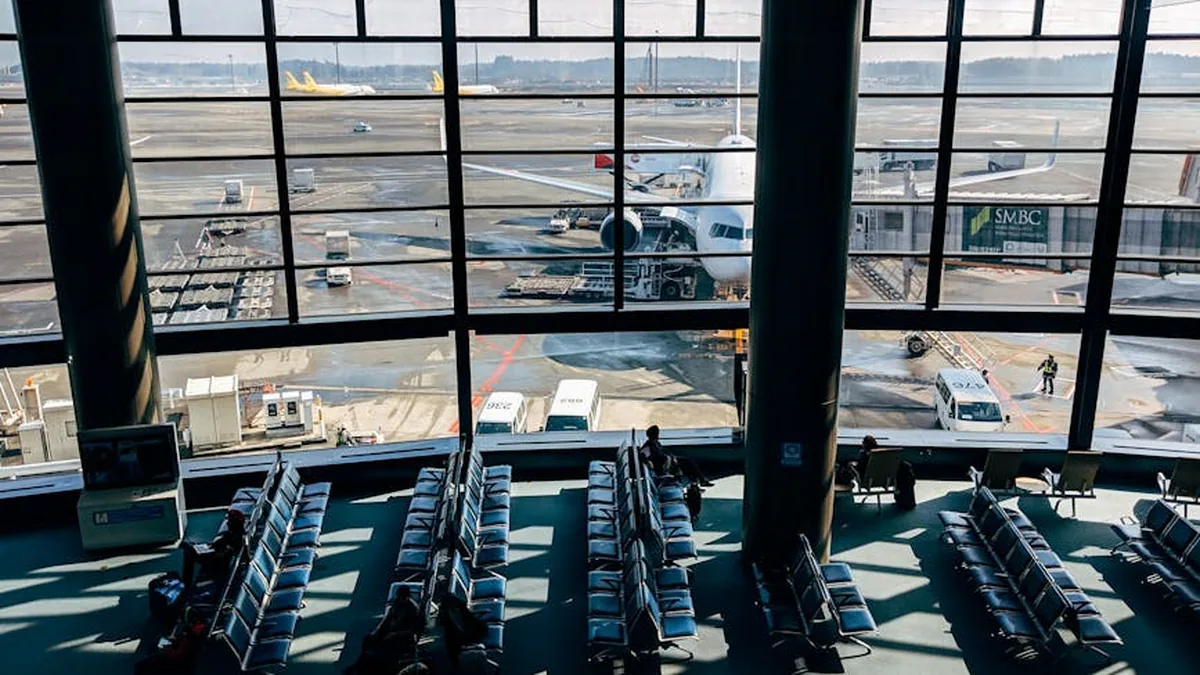
Kagoshima Airport sits in the highlands between Kagoshima Bay and the Kirishima mountain range, about 30 km from the ci…
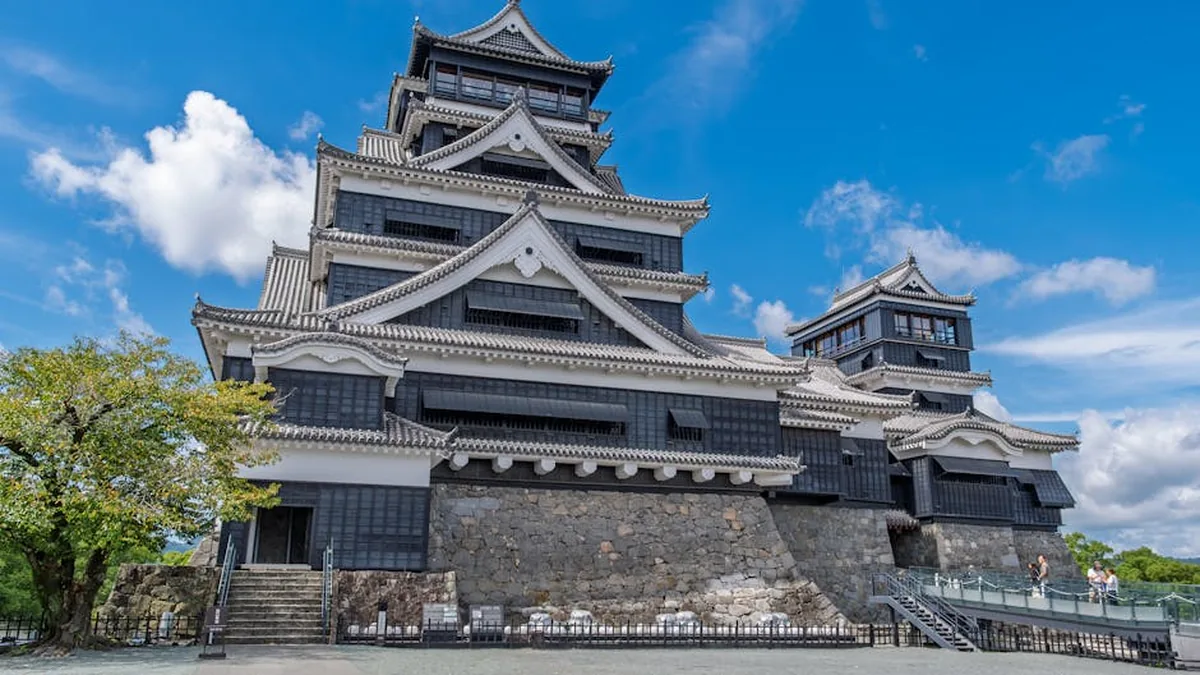
Kumamoto Airport is the gateway to central Kyushu, serving a castle city rebuilt after the 2016 earthquakes and the spe…
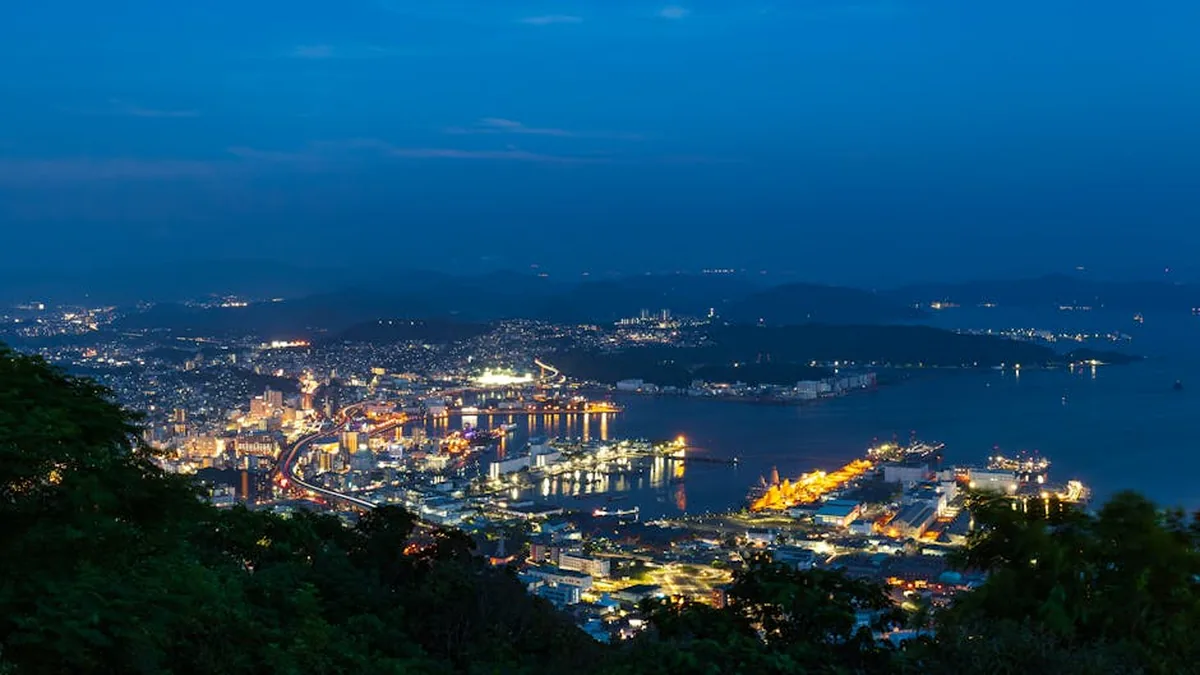
Nagasaki Airport is built on a reclaimed island in Omura Bay, about 20 km from Nagasaki city. The city has a fascinatin…
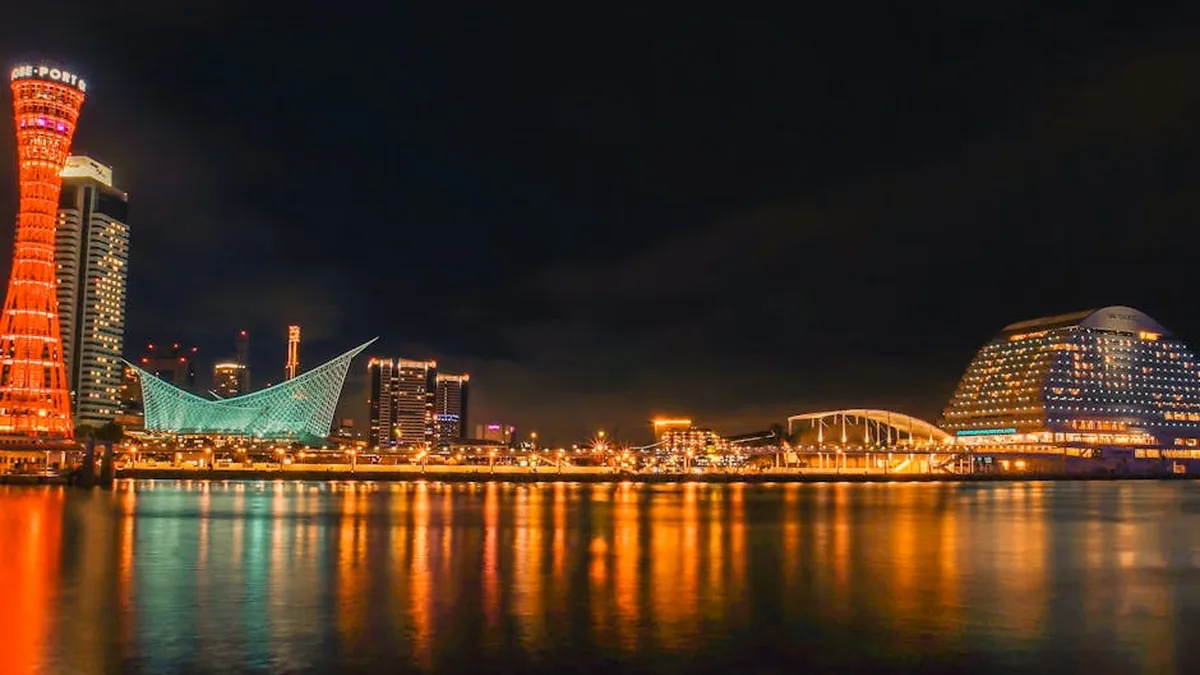
Kobe Airport sits on a man-made island in Osaka Bay, just 8 km from Kobe's cosmopolitan Sannomiya district. The compact…
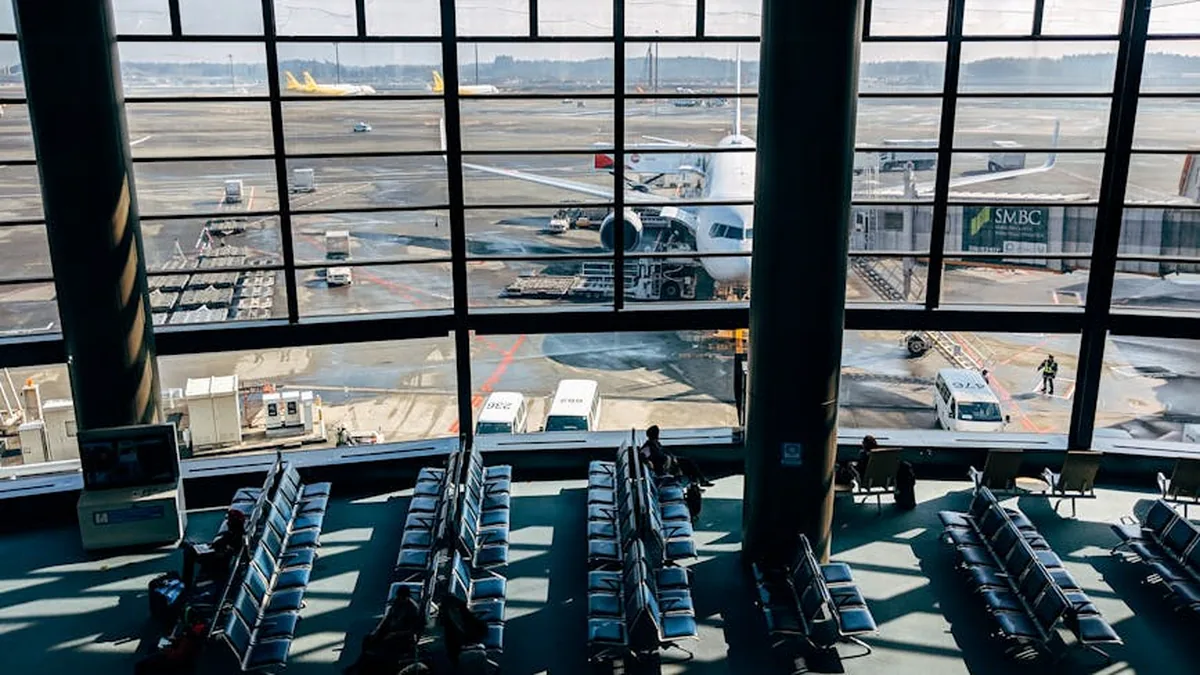
Hakodate Airport serves the historic port city at the southern tip of Hokkaido, famous for its spectacular night view f…
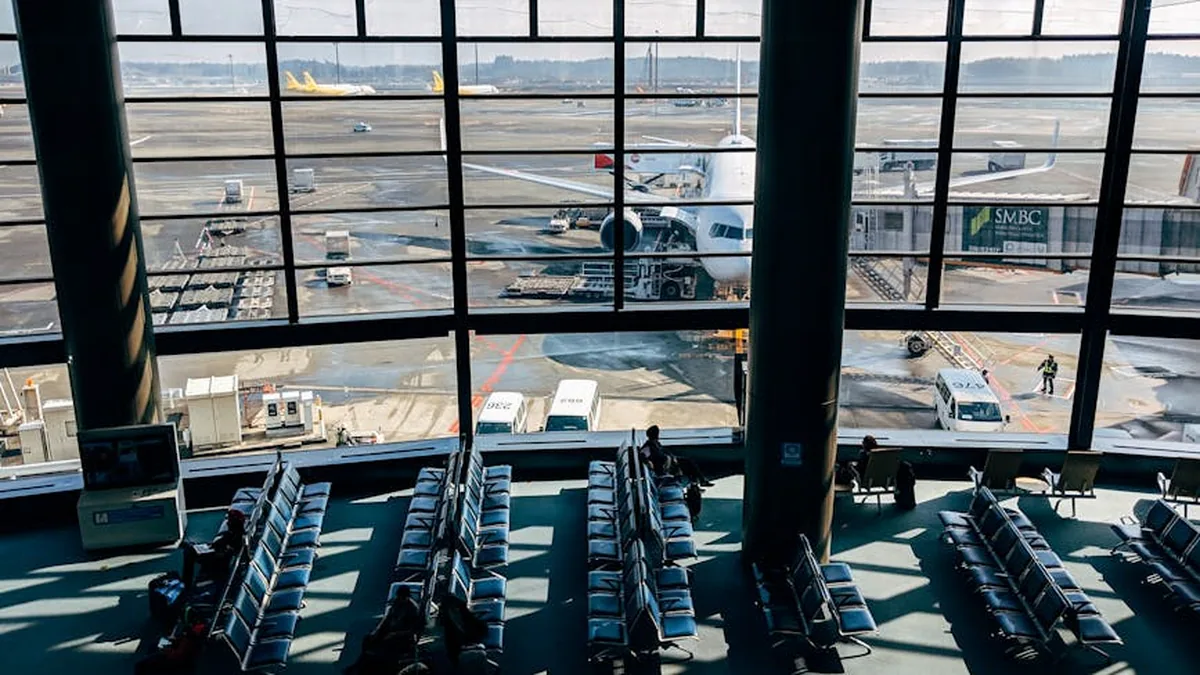
Niigata Airport serves Japan's rice-producing heartland on the Sea of Japan coast, a region renowned for its sake brewe…

New Ishigaki Airport is the gateway to the Yaeyama Islands, Japan's southernmost tropical archipelago located closer to…
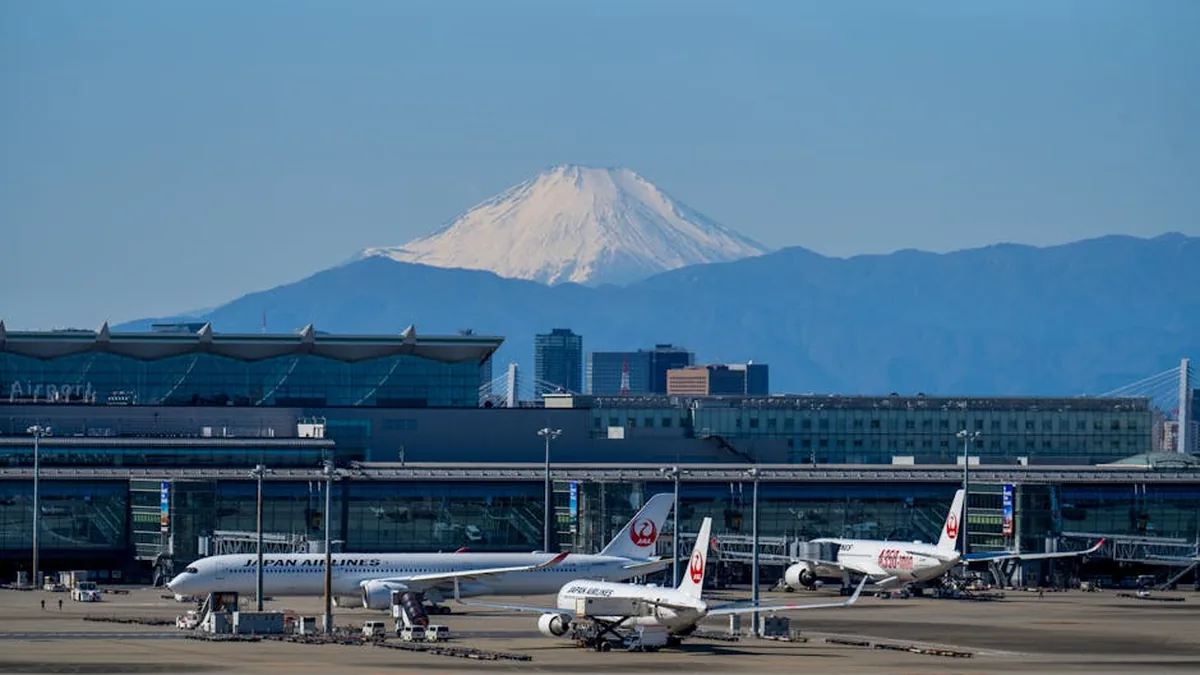
Mt. Fuji Shizuoka Airport offers the closest air access to Japan's iconic Mount Fuji and the scenic Izu Peninsula. Loca…
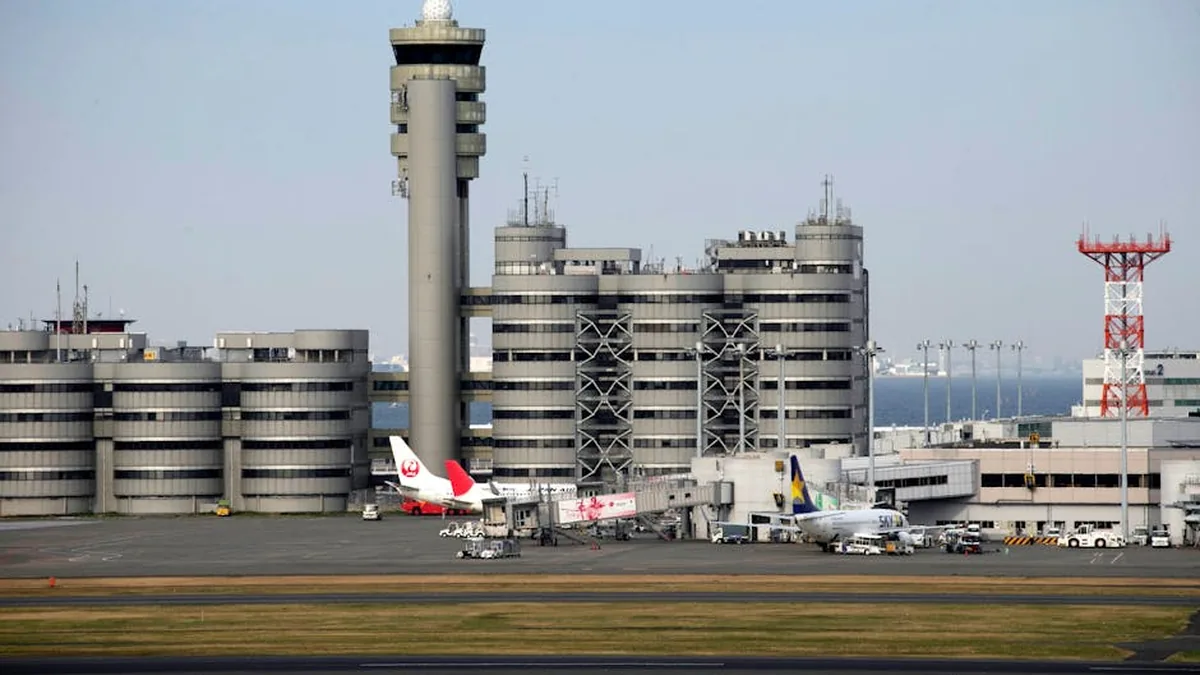
Miyazaki Airport is located just 5 km from the city center on the sunny Pacific coast of Kyushu. The city is known as J…

Takamatsu Airport is the main gateway to Shikoku, Japan's smallest main island, and the art islands of the Seto Inland …
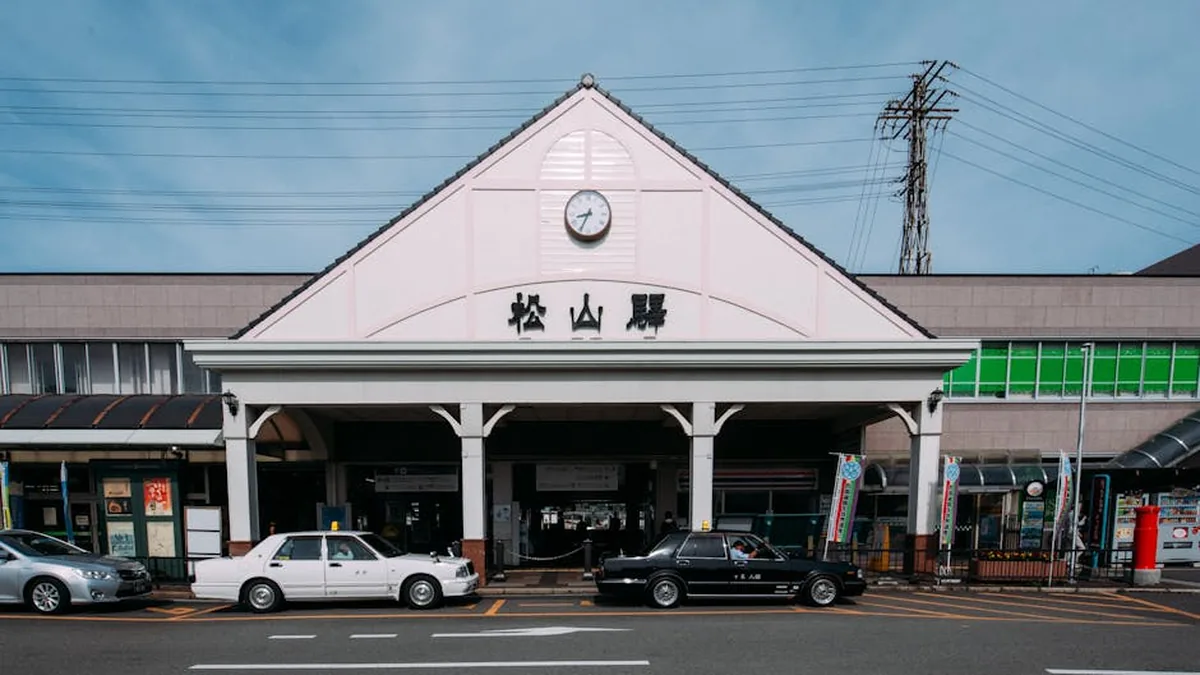
Matsuyama Airport serves the largest city on Shikoku island and is just a short ride from Dogo Onsen - one of the oldes…
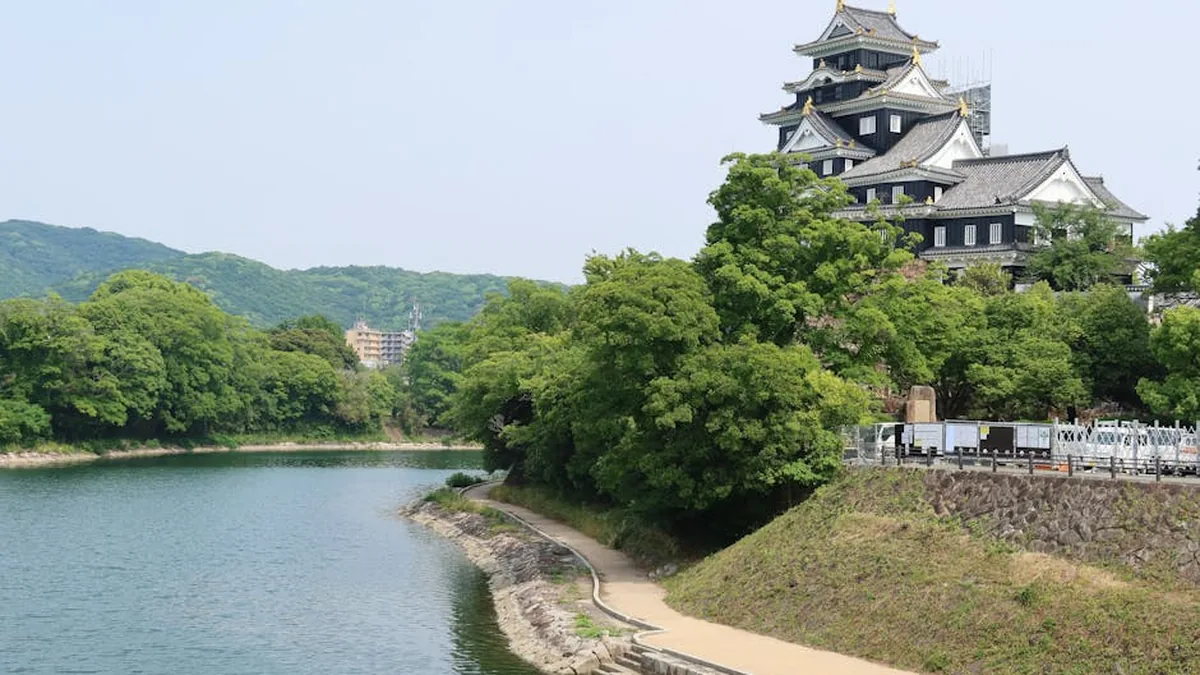
Okayama Airport serves the gateway to the picturesque canal town of Kurashiki, the famous Korakuen Garden - one of Japa…
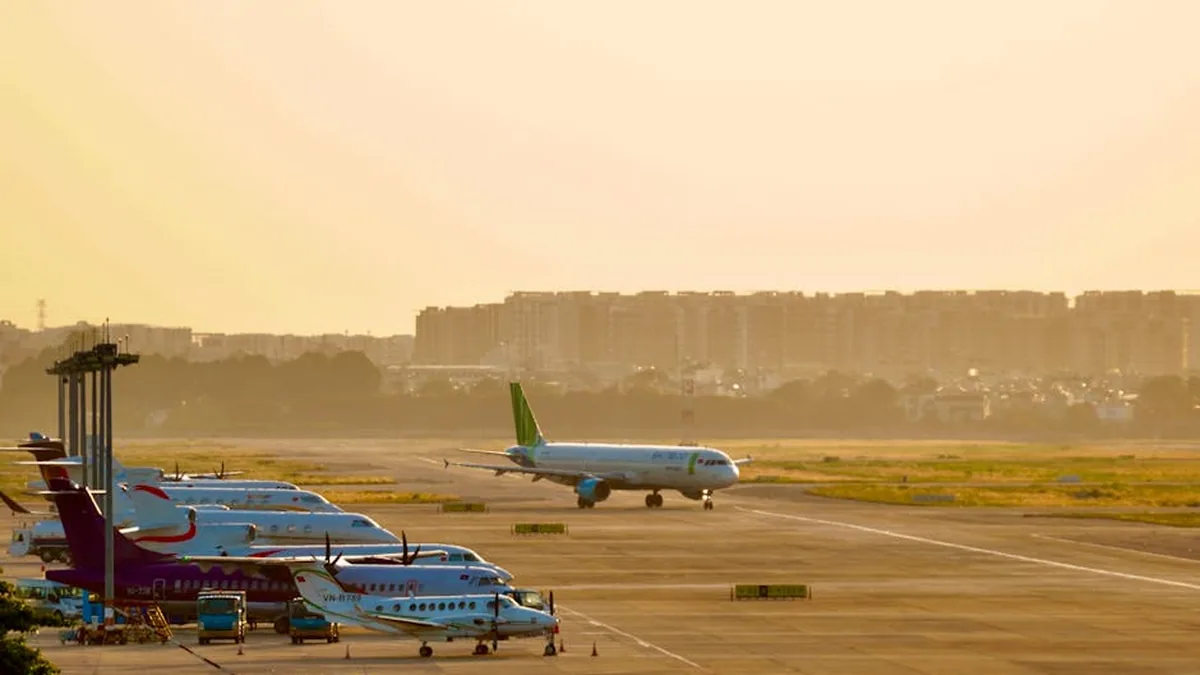
Kochi Ryoma Airport is named after Sakamoto Ryoma, the famous samurai revolutionary born in this castle town on Shikoku…
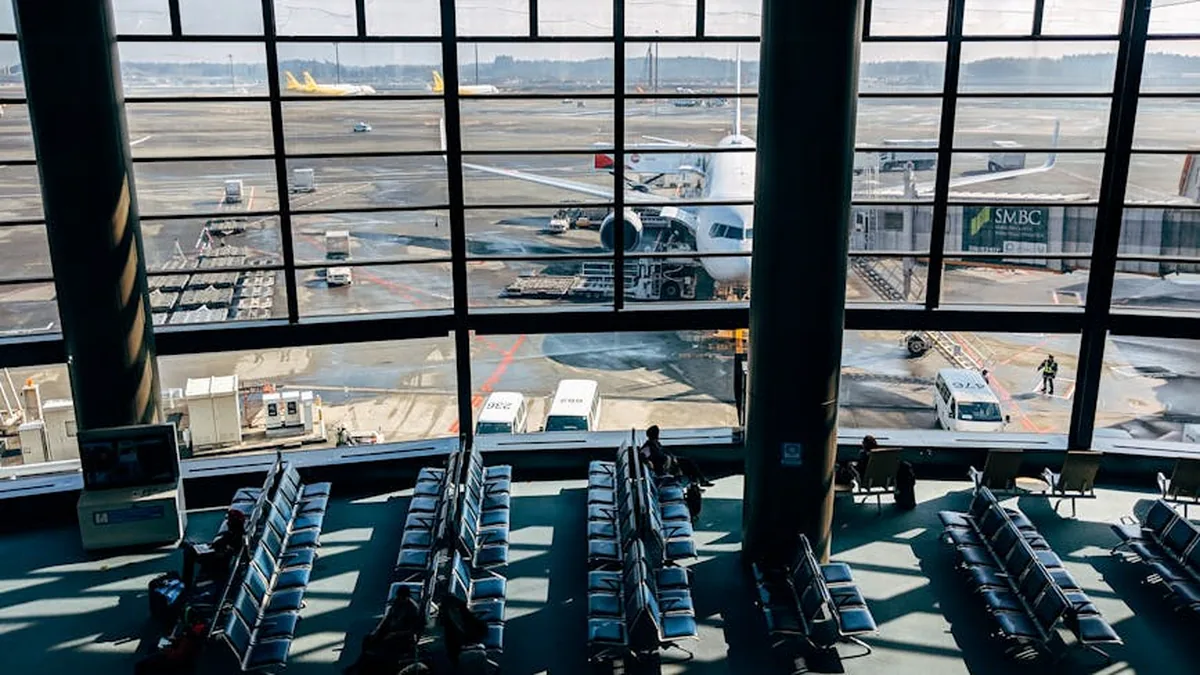
Toyama Airport is the gateway to the Tateyama-Kurobe Alpine Route - a spectacular mountain crossing through Japan's Nor…
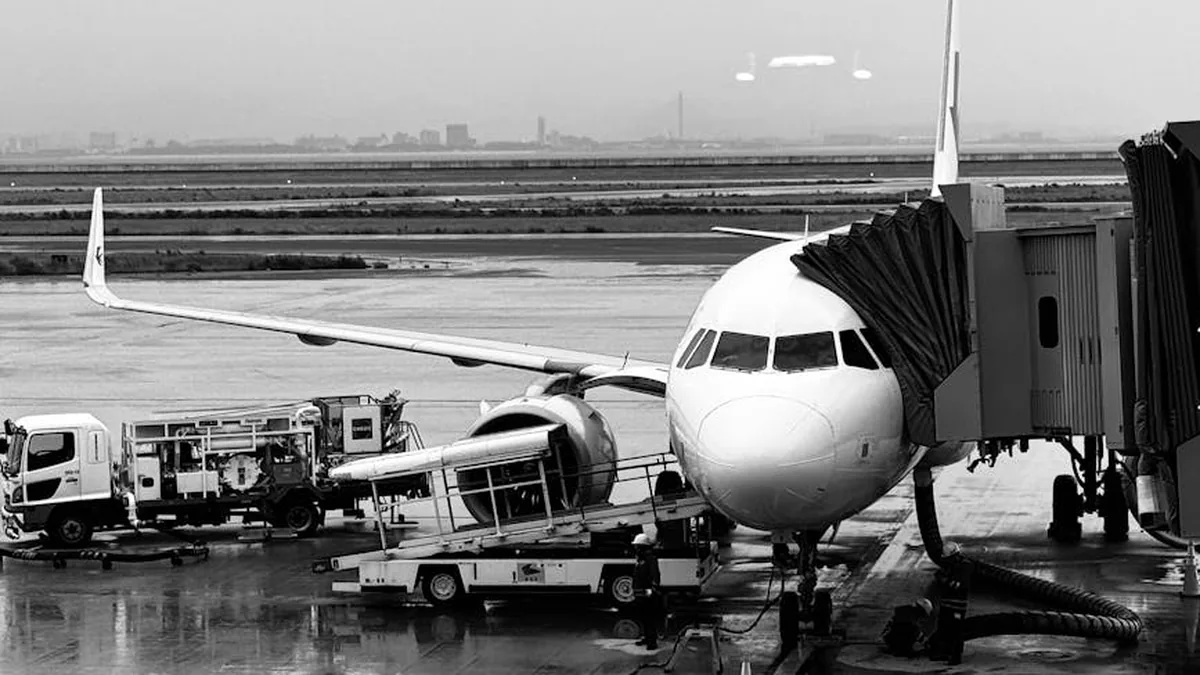
Oita Airport serves the hot spring capital of Japan - Beppu produces more thermal water than anywhere else in the count…
Detailed area-by-area transfer guides for major cities:
Airport taxi prices in Japan typically range from $15–$150 depending on the airport, destination and vehicle type. Pre-booked transfers offer fixed prices with no surprises.
The main ride-hailing apps in Japan are GO, S.RIDE, Uber (limited). Availability varies between cities and airports.
Licensed and pre-booked taxis are generally safe throughout Japan. The main risk at most airports is unlicensed drivers who overcharge tourists. Always use official taxi queues or pre-book your transfer.
Pre-booking is recommended at most airports in Japan. It guarantees a fixed price, eliminates queuing and ensures a driver is waiting at arrivals with your name.
The local currency is Japanese Yen (JPY). Most pre-booked transfer services accept credit cards. Metered taxis and ride-hailing apps accept local currency and sometimes cards.
Language skills vary. In major tourist areas, drivers often speak basic English. Japanese (English limited outside major tourist areas). Pre-booked transfer drivers typically have better English skills than random taxi drivers.